In the 80s, there were various visual expressions of being working class / poor, both in real life and culturally (e.g. Roseanne). In 2026, the aesthetics of poverty seem to be a bigger sin than poverty itself. Everyone is under pressure to appear middle class, both in real life and culturally. As wages stagnate and prices rise, it’s harder to keep up the charade.
With everyone striving for social media influencer status and the paychecks that come along with it, there’s real monetary stakes tied to the ability to perform middle- and upper-classedness. Whether there’s actual wealth behind that performance doesn’t seem to matter. Simply renting the physical trappings of wealth for a day is apparently sufficient for being socially validated as wealthy online, as 404 Media recently reported. If the visual trick is good enough, you’ll get the followers and the check from Meta for your well-liked Instagram post, which is all that matters.
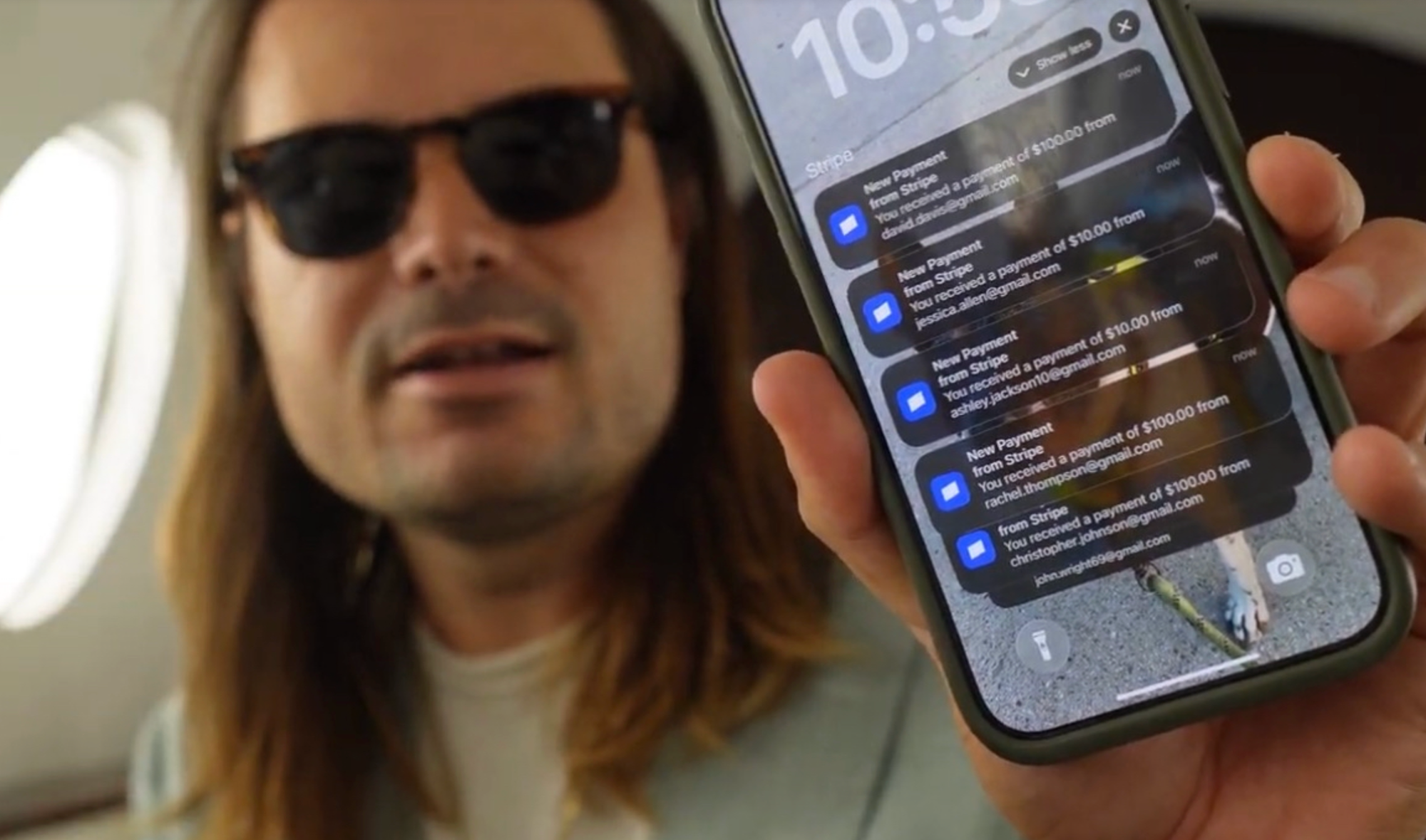
Quietly, though, behind closed doors, Americans are increasingly struggling to afford the price of admission into the middle class. Clothes, cars, house cleaners, and the perfect vacation that you can use to make your friends feel envious; it costs a lot to create and maintain the image of relative economic ease. Just a handful of years ago, it was easier for families to keep all of those balls in the air. I worry about what will happen when more of them start to fall.
MCM Until You Die
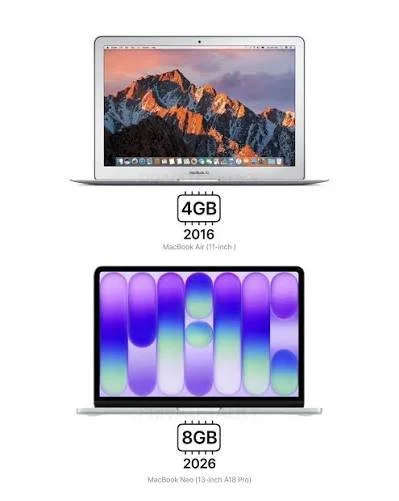
Separate but related, we have been overdue for a visual overhaul for a long time. Aesthetically, we appear to be trapped in some kind of midcentury modern hell, doomed to roam the halls of abandoned WeWorks forever. And for all of the advances that we’ve had in the capabilities of tech, the hardware we use to access it looks shockingly the same as it did 10 years ago. Why? How do we get out of this doom loop?
Build for the People
With Tim Cook set to depart Apple soon, I pray that we enter a new design-led era that rethinks the trajectory we’ve been headed in for the past decade. With any luck, it might address the economic realities of our present, too, and make tech more accessible.
Imagine a genuinely affordable Mac or iPhone that uses less expensive materials but is nevertheless still Apple-ish enough to satisfy the fanboys. Imagine that it looks fun, playful, NEW. Imagine, boldest of all, that Apple did not feel the need to hide the fact that it was intentionally cheaper. It’s possible! We just need leaders bold enough to commit to a vision, whatever the temporary cost to “aura” and stakeholder confidence that might come with.
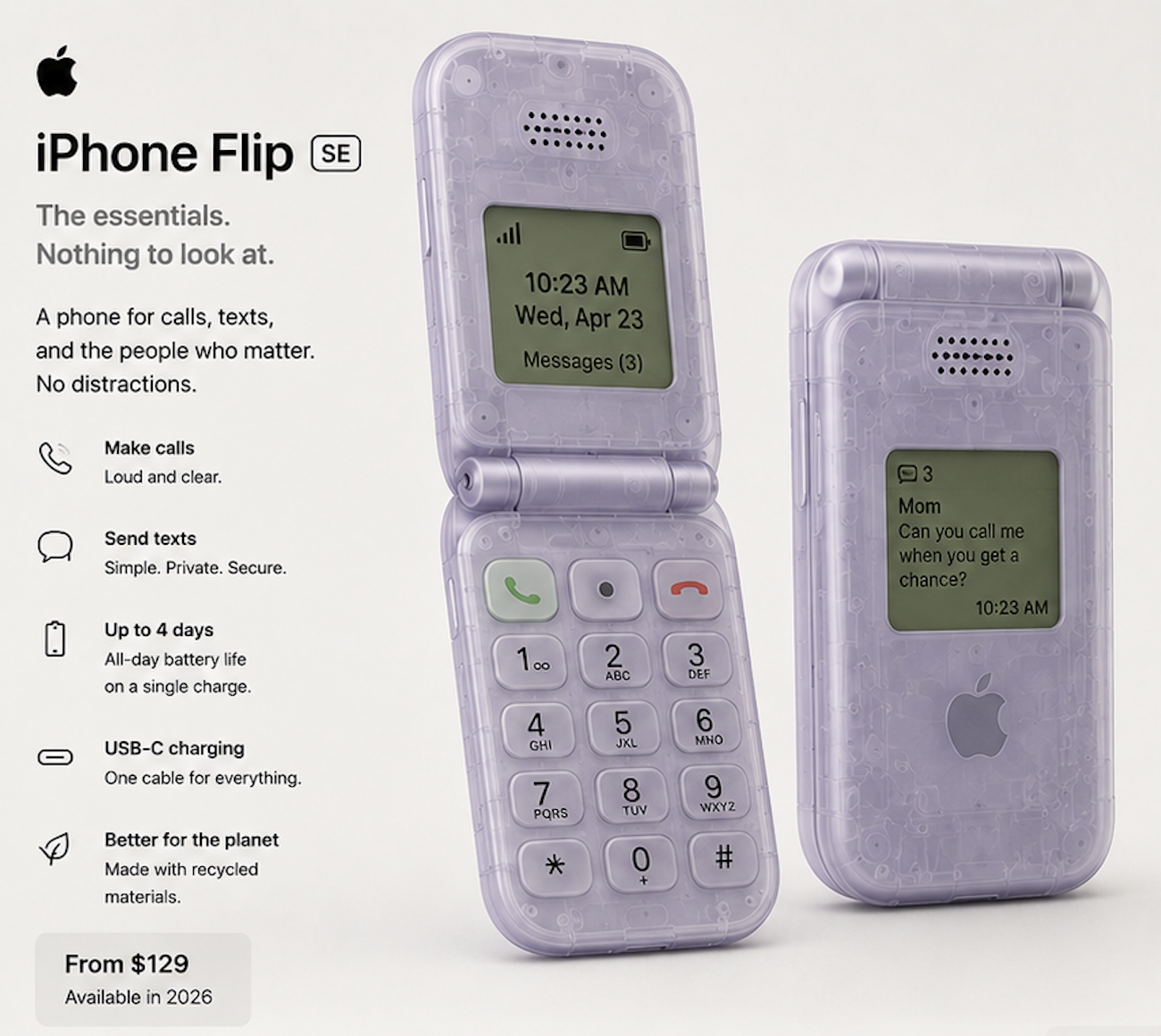
Apple could make a dumb phone without a touchscreen, addressing both the need for less expensive tech and the emerging social movement around reducing smartphone and social media usage to improve mental health. Would it risk cannibalizing itself? Yes. But it’s possible!
The future, if we want it.
Not So Fast
Of course, it’s complicated (everything in 2026 is “complicated”). Americans have greater awareness of human rights violations, which means greater demand for humane labor practices that in turn increase the cost of goods. We want cheap clothes, but not fast fashion. We want groundbreaking tech, but not if it means Foxconn suicides.
I’m just one person and I don’t have the answers to these huge, messy problems. But I do think that working towards some level of social agreement to stop performing economic comfort needs to be part of it. A lot of people aren’t OK right now. It is OK to not be OK in this crazy, burning world.
Companies and governments can’t know our needs if we don’t speak them out loud. Only through dropping the act can we begin to more loudly and authentically advocate for our actual, real needs. Maybe then, fully embodied and activated, we’ll finally be able to escape the MCM nightmare.
Plus, that Apple flip hone mockup looks kind of badass, doesn’t it? It would make such a great post on Insta. Oh, shit, wait…